
With Alaska in the throes of another busy cruise season, environmental advocates are raising the alarm over the growing footprint of the cruise industry in the region.
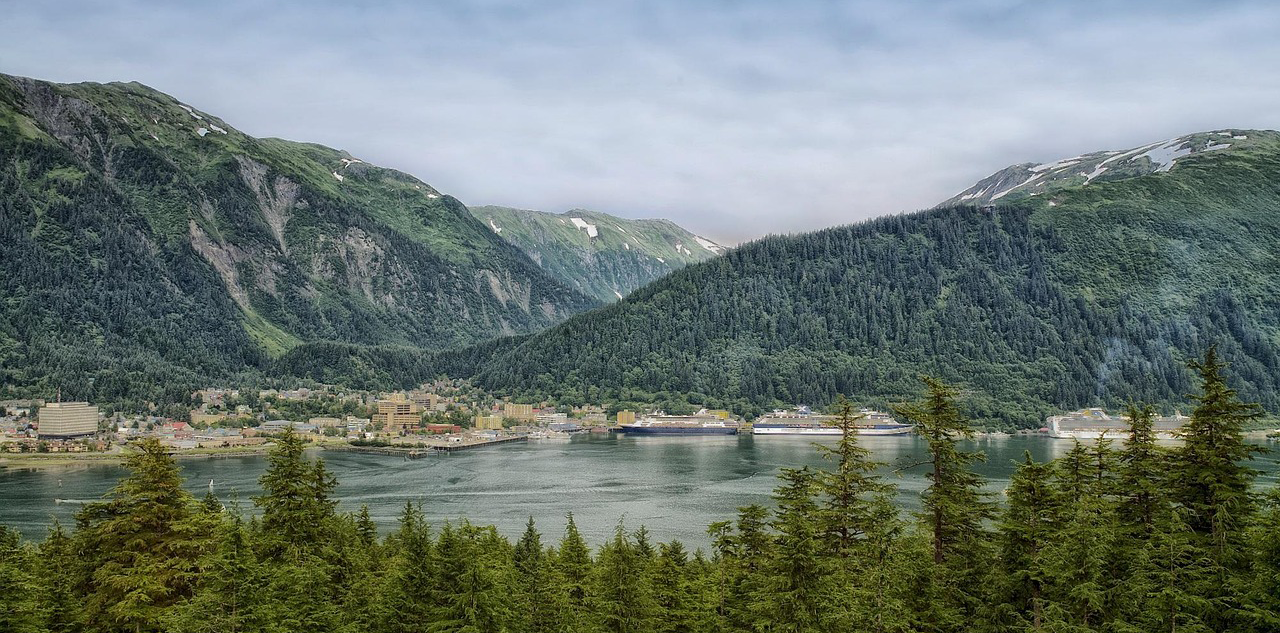
In cities like Juneau, Alaska’s busiest port, the influx of cruise passengers has surged to around 1.7 million annually, a 33% increase from pre-pandemic levels. In addition to overcrowded streets and overwhelmed infrastructure, environmental issues are at the forefront. On top of cruise’s substantial carbon footprint, cruise ships’ use of scrubbers to reduce sulfur emissions has led to the discharge of toxic substances into Alaska’s waters.
Friends of the Earth US Ocean & Vessels Program Director Marcie Keever warned that the unchecked expansion of cruising on the region is overwhelming communities and ecosystems alike.

“In the early 2000s, there were about 10 cruise ship calls a year in Juneau and other parts of the Inside Passage,” she told LATTE via video call. “Now it’s up over 600. It’s exponential.”
Subscribe to LATTE Cruise’s free eNewsletter to keep up to date with everything in the luxury cruise space.
According to Keever, this surge is not just a tourism issue, but a matter of environmental integrity and community survival. Cruise lines, she said, are increasingly sidestepping local efforts to regulate them. Referencing last year’s proposed “Ship-Free Saturdays” initiative in Juneau, she pointed to a last-minute voluntary agreement between the city and the industry that undercut the ballot measure.
And although last June, Juneau authorities and cruise lines signed a Memorandum of Agreement (MOA) to help manage visitor volume in the Alaskan capital city, she described the limits in place as “ineffective”. Based on recommendations established by a Visitor Industry Task Force (VITF) in 2021, they stand at 16,000 lower berths per day, with 12,000 on Saturday. “They’re voluntary, and the cap’s really high,” she said.
Alaska had previously implemented robust oversight mechanisms, including independent onboard observers known as Ocean Rangers. “That system worked for many years… and in our opinion, prevented hundreds of violations,” she said. But more recently, she noted, such protections have been eroded as a result of conflicting interests.
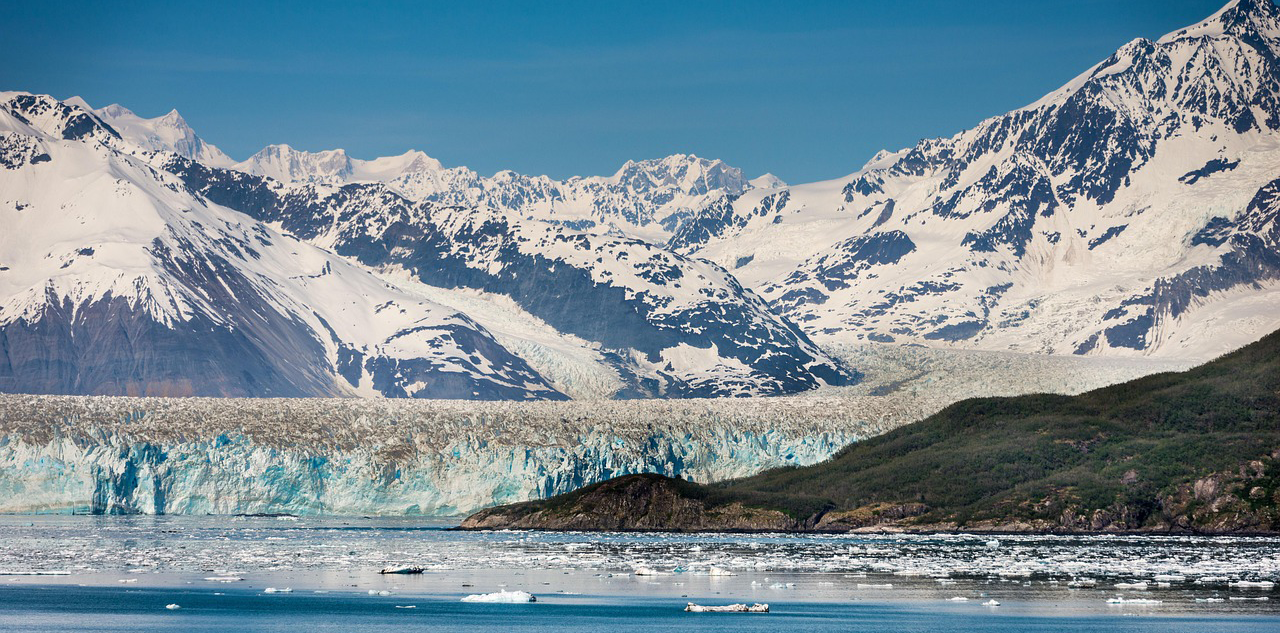
Keever doesn’t believe the political rollback is solely responsible for the explosion in cruise activity, but she sees it as part of a troubling pattern. “Sadly, it’s becoming more and more of an extinction tourism problem,” she said. “The Hubbard Glacier is just getting smaller and smaller.”
Beyond environmental degradation, she highlighted the strain on Juneau’s infrastructure and community identity, with the cruise industry investing significantly in local enterprise. “They own many of the docks, many of the businesses, the transportation. It’s incredible how they’ve embedded themselves in this tiny community that you can only access by air or boat,” she said. “People who don’t have connections to the cruise industry are wondering how their community will survive.”
With cruise lines eyeing further expansion and plans to develop another cruise dock announced just days after the Juneau “Ship-Free Saturdays” vote, Keever warned that piecemeal, voluntary agreements won’t be enough.
“It’s not just about Juneau,” she stressed. “It’s about Sitka, Haines, Ketchikan. People are starting to think about how to look at it more holistically.”
In response to these concerns, individual cruise lines are drawing attention to their efforts to enhance their environmentally-friendly credentials while Cruise Lines International Association (CLIA) referred to its own Alaska-based initiatives aimed at visitation management, employment and sustainability. “CLIA works closely with local communities and authorities on this,” it said.
Among the initiatives is the Tourism Best Practices Management program (TBMP), established in partnership with CLIA cruise lines in 1997. “Each year, members of the TBMP program review and discuss local concerns. Guidelines are then developed and implemented to protect the benefits of tourism while still addressing the concerns of local residents,” it said.
The organisation is also working with the Alaska Seafood Marketing Institute (ASMI) to find ways to strengthen the relationship between the cruise and seafood industries in Alaska, with the “common goal of sustainability”. It also highlighted water protection, air quality and recycling as important areas of focus.