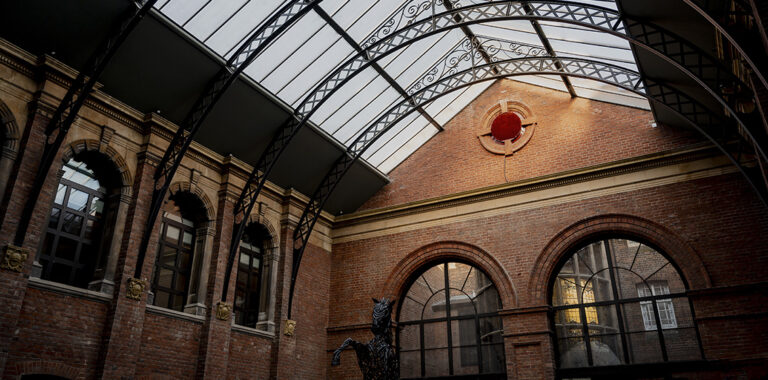


While much of Saudi Arabia’s booming tourism industry is focused on futuristic destinations like NEOM and Red Sea Global, Saudi-owned Boutique Hotel Group is taking a distinctly different approach by turning the kingdom’s royal palaces into luxury heritage hotels.
Rather than crafting new-age destinations, the group is instead looking to the past, restoring historic buildings that have hosted world leaders and shaped the nation’s modern identity.
“We are in the business of transforming royal historical palaces of Saudi into those amazing luxury hotels,” Boutique Group PR & Communications Director Sami Alogla told LATTE at International Luxury Travel Market (ILTM) Asia Pacific in Singapore earlier this month. “We are a developer, an owner and an operator. So we are a hotel brand by Saudis — and for the rest of the world.”
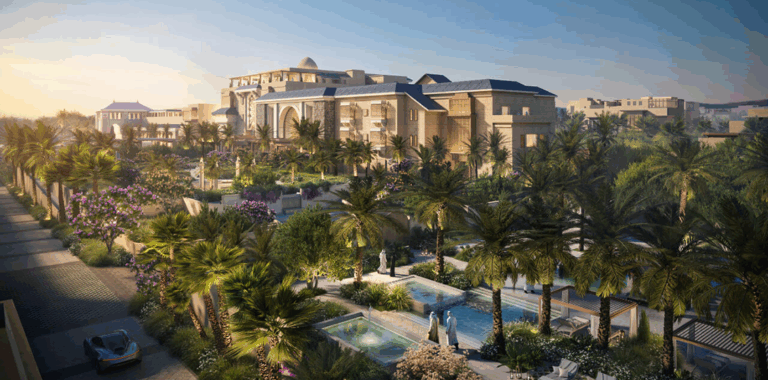
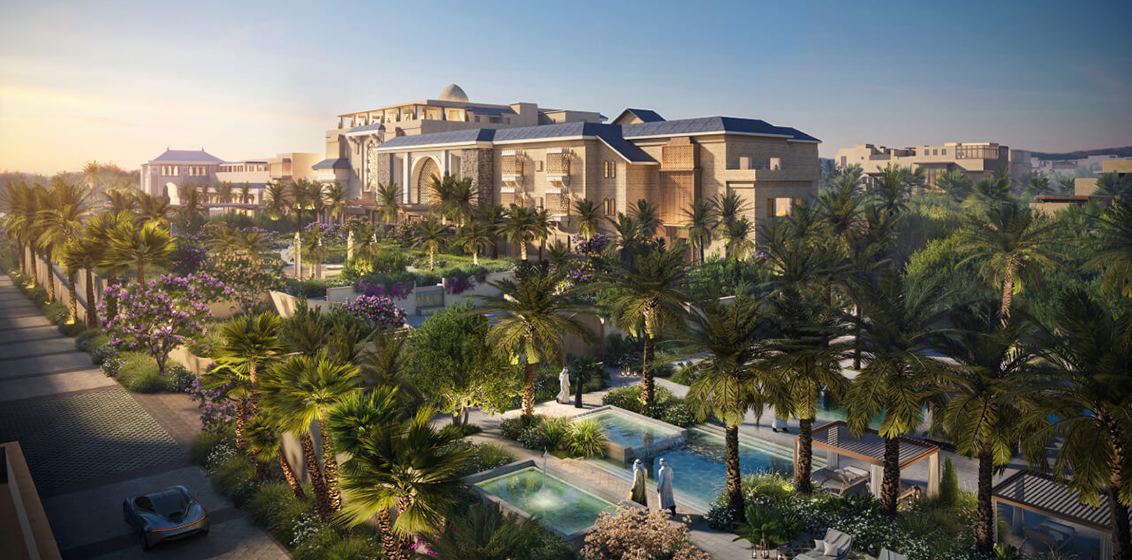
The company’s current portfolio includes three restored heritage properties: Al Hamra Palace in Jeddah, Red Palace in Riyadh and Tuwaiq Palace, also in the capital. Each one, Alogla said, holds deep cultural and political importance.
Al Hamra Palace in Jeddah is scheduled to open by the end of 2025, having previously served as a government hospitality venue. “Every public figure, every world leader — from King Charles, Princess Diana, President Nixon — you name it, they stayed there,” he explained. “Since the 60s till 2015… the last official visit was the late Prime Minister of Japan.”
Subscribe to LATTE’s free eNewsletter to keep up to date with everything in the luxury travel industry.
The Red Palace in Riyadh, slated to open in April 2026, is described by the Boutique Group team as “our Westminster.” Once the headquarters of the Council of Ministers, the building witnessed the formation of ministries, international treaties and Saudi Arabia’s early steps onto the global stage. “The Saudi government was introduced to the modern world from that palace,” Alogla noted.
Tuwaiq Palace, also in Riyadh and known for hosting key cultural and diplomatic events, is also slated for an April 2026 opening
Boutique Group’s aim is not merely to repurpose these sites but to preserve them as living symbols of Saudi history. “They’re not getting rid of the palaces,” Alogla clarified. “Part of sustaining those palaces… is to preserve them for future generations. And you can’t beat the preservation of a luxury hotel.”
This approach stands in marked contrast to many new Saudi developments that lean into futuristic architecture and tech-first experiences.“ Boutique Group embraces that contrast, according to Alogla, highlighting the historical significance of every detail of its properties.For example, he pointed out that the Red Palace was the first concrete building back in 1942. “It was so important, it was shown on the 100 riyal banknote – the first and second editions.”
The company is also looking inward, integrating Saudi rituals, crafts and heritage into the guest experience, particularly in the area of wellbeing. “We’re documenting techniques that my grandmother used,” Alogla said. “And I’m not talking about oil and herbs. It’s real techniques and methodology.”
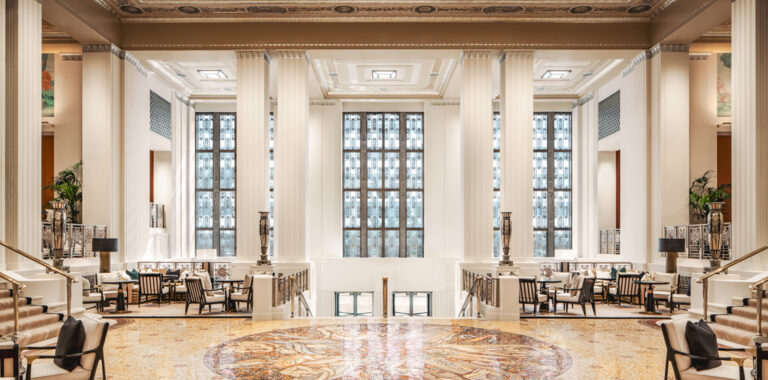
Partnering with renowned designers like Jacques Garcia, Boutique Group is carefully upgrading the properties. “We’re maintaining the integrity of the building,” Alogla said. “But we’re elevating the materials as well.”
While international hotel chains are flocking to the kingdom, Boutique Group sees value in its own brand of home-grown cultural storytelling. “To have the first proper hotel brand in this delicate segment – it shows the ambition and aspiration.”