
Travellers are looking at sustainability in a new light, searching for ways to ensure their holidays leave a positive impact on the communities they visit, according to global network Virtuoso.
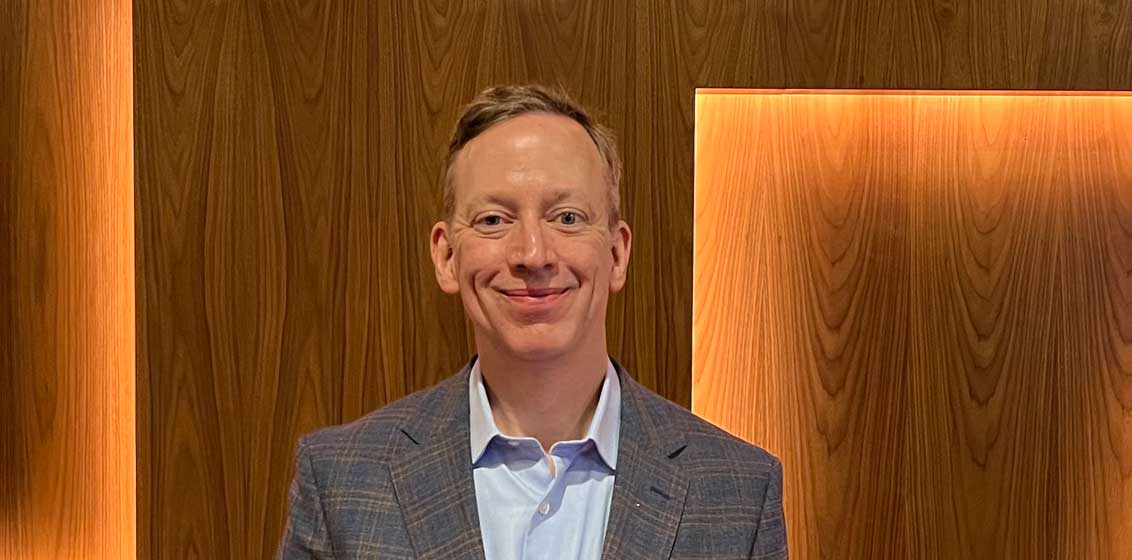
The last year has seen a rise in the number of travellers prioritizing human connections in their holiday planning process, particularly in the Australian market, EVP David Kolner told LATTE.
“This idea of connecting with local cultures and local people and influencing local economies represents a shift in the way that people are thinking about what the definition of sustainable travel is,” he said.
Whereas before, travellers were concerned with carbon footprints and the green policies of hotels and aviation, Virtuoso’s recently released 2025 Luxe Report shows that the lens has shifted to now take a more human angle.
“It’s not that those things are unimportant now, but it’s really pivoting to this idea that travel is something that is a part of people’s lives, and they want to see the impact of that,” Kolner said.
Overtourism plays a big part in this, with many travellers opting to visit secondary destinations in order to minimize the crowds seen in some of the more popular hotspots.
While the traditional summer mainstays will always retain their appeal in Kolner’s view, there has been an interesting trend towards “coolcations” like Northern Europe and Canada, as well as a festive surge towards the European capitals.
Subscribe to LATTE’s free eNewsletter to keep up to date with everything in the luxury travel industry.
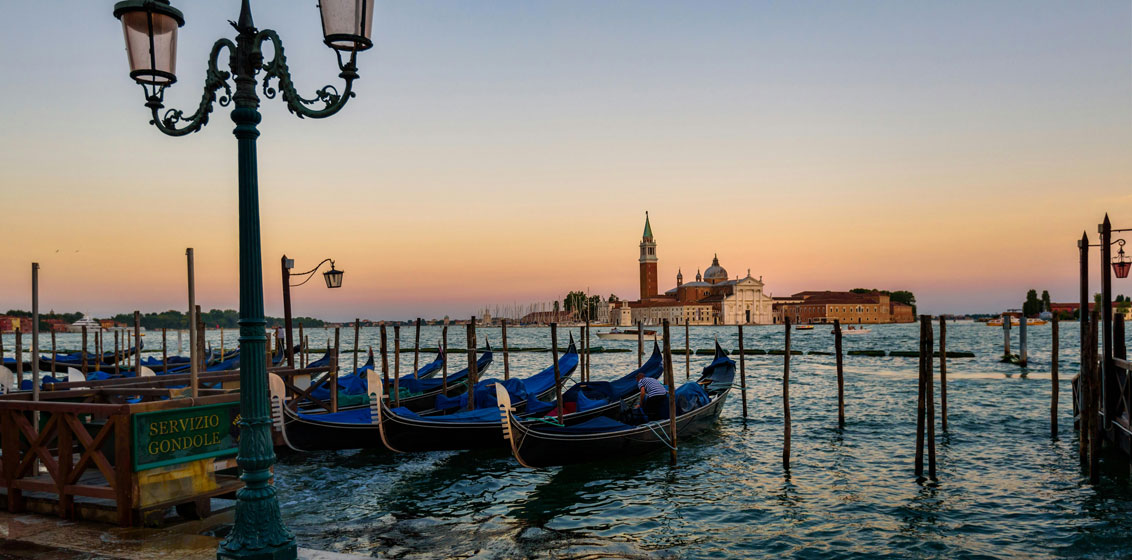
“People who would normally go to Italy during the summertime, they’re going to London, they’re going to Paris, they’re going to Madrid, they’re going to Rome during festive season,” he noted.
This redistribution of visitation across the calendar rather than at just one peak time, as championed by the World Travel and Tourism Council, is a clever way to deal with the overtourism issue while still delivering the benefits of tourism to the local economies, according to Kolner.
“The reality is that tourism infrastructure, it can’t just be in place for just four months of the year,” he said.
“People that work in tourism and create those amazing experiences for visitors to their cities, they need to work all year round.”
Spreading visitor numbers across the year enables them to do their best job when welcoming visitors, and makes for a better visitor experience, Kolner stressed.
Travel advisors have a crucial role to play in this redistribution and in encouraging more sustainable choices, with Kolner highlighting storytelling as a vital tool to help them influence outcomes.
“It’s on us in the travel industry to be champions of sustainable practices and to draw attention to them to clients, because as we’ve seen in the survey results of our brand and travel tracker study is that clients are interested in sustainability, but they may not ask about it,” he said.