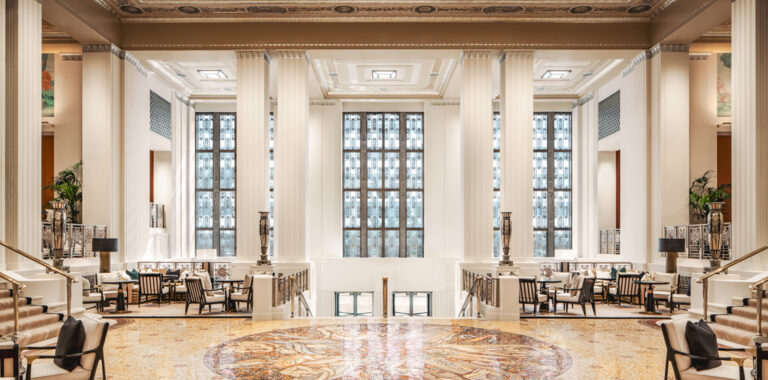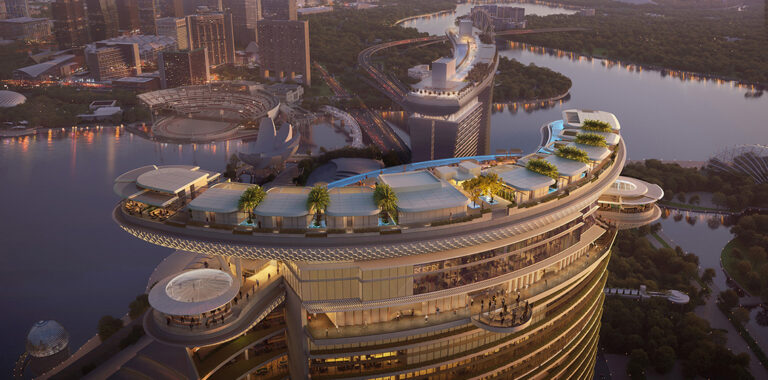



At an exclusive ceremony at the UNESCO headquarters in France, the International Union of Architects awarded Chablé Resort & Spa, located on Mexico’s Yucatán Peninsula, with the ‘Prix Versailles 2017’ award for the best hotel in the world for architecture and design. Mexico-based designer Paulina Moran and architect Jorge Borja were on hand to accept this coveted prize.
Actively promoted by UNESCO and the International Union of Architects, the Prix Versailles has become known as the World Architecture Award for stores, hotels and restaurants. The organisation recognises the most remarkable structures, in terms of both interior and exterior architecture. Following a wide-ranging call for submissions and a selection made by six independent panels, 18 hotels from around the world were chosen as finalists with Chablé Resort & Spa walking away with top honours.
“True luxury is about preserving the soul of an incredible destination, so when Chablé was conceived it was important to continue telling the story of this ancient hacienda through its unique architecture and design elements,” said Rocco Bova, GM. “Working alongside Ms Moran and Mr Borja, we were able to achieve this delicate juxtaposition by seamlessly incorporating modern aesthetics alongside heritage construction. The final product offers guests a truly balanced and harmonious retreat that honours Mayan traditions without sacrificing the global standards for luxury.”
The Prix is celebrating its third year and the 2017 World Judges Panel consisted of: François de Mazières (Chairman), Manuelle Gautrand, Guo Pei, Toyō Itō (Pritzker 2013), Gilles Lipovetsky, Guy Savoy, Wang Shu (Pritzker 2012) and Minja Yang.
The Prix Versailles is an original initiative with the very clear aim of fostering better interaction between the economy and culture. It underlines the role economic agents can play, in all sectors, to enhance, embellish and improve living environments. This everyday architecture can be a lever for sustainable development where ecological, social and cultural dimensions intersect.